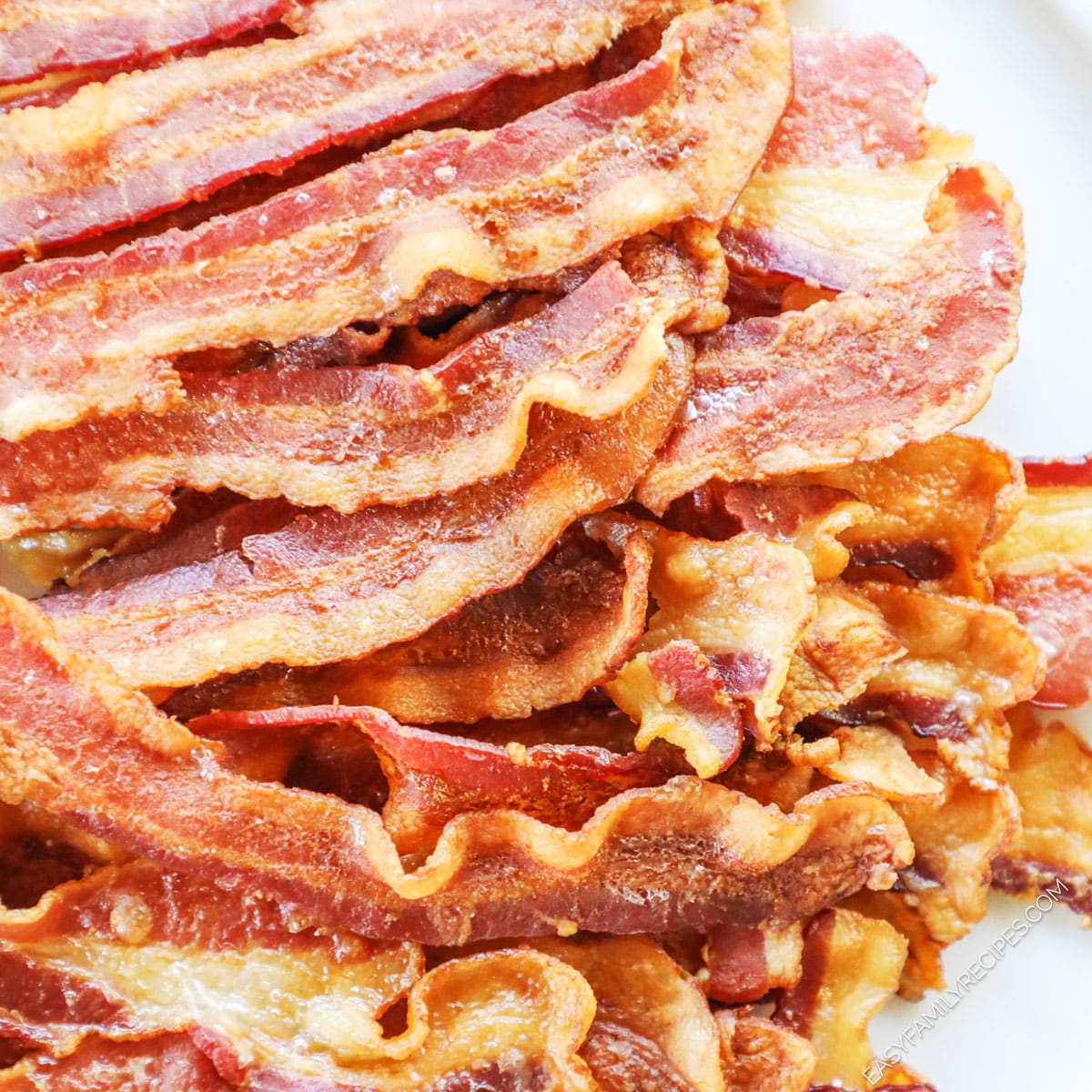
How to Get Perfectly Crispy Oven Bacon Every Time
There's a universal truth for breakfast lovers: perfectly crispy bacon is a revelation. That smoky, salty crunch can elevate any meal, from a simple Sunday brunch to a sophisticated BLT. Yet, achieving that ideal crispiness on the stovetop often comes with a trade-off: relentless grease splatter, unevenly cooked strips, and the need to constantly stand guard over a hot pan. What if there was a better way to achieve bacon nirvana without the mess and fuss? Enter the oven. Learning
how to cook bacon in the oven is not just a cooking tip; it's a culinary game-changer that promises consistently perfect results with minimal effort.
This comprehensive guide will walk you through the simplest, most effective method for baking bacon that's crispy from edge to edge, every single time. We'll unveil the "not-so-secret" technique that makes all the difference and share invaluable tips honed over countless batches. Once you discover the ease and superiority of oven bacon, you might never go back to the stovetop.
Why Cooking Bacon in the Oven is a Culinary Game-Changer
Switching from stovetop to oven for your bacon isn't just a minor adjustment; it's a complete paradigm shift in your breakfast routine. The benefits extend far beyond convenience, impacting the quality of your bacon and the cleanliness of your kitchen.
Unparalleled Evenness
One of the most frustrating aspects of pan-frying bacon is its tendency to curl, shrivel, and cook unevenly. Some spots get crisp, while others remain chewy. When you cook bacon in the oven, the strips lie flat on a baking sheet, allowing for consistent heat distribution across every inch. This means each piece cooks uniformly, resulting in that coveted, satisfying crispness from end to end, without burnt edges or undercooked centers.
The Mess-Free Advantage
Say goodbye to grease splatters painting your stovetop, countertops, and even your clothes. Baking bacon in the oven contains nearly all the mess. The fat renders slowly and drips onto your lined baking sheet, preventing those notorious pops and sizzles that make stovetop cooking such a chore. Cleanup becomes incredibly simple, often requiring just a toss of the foil or parchment paper. For more detailed insights into keeping your kitchen spotless, explore
Easy Oven Bacon: The Mess-Free Way to Crispy Perfection.
Effortless Batch Cooking
Whether you're feeding a large family, hosting a brunch, or simply meal-prepping for the week, the oven method shines. A standard rimmed baking sheet can easily accommodate an entire 12-ounce package of bacon in a single layer. This eliminates the need to cook multiple small batches, saving you significant time and effort, making it ideal for any size crowd.
Hands-Off Freedom
Imagine crisping your bacon while simultaneously scrambling eggs, toasting bread, or preparing a fruit salad. Once your bacon is in the oven, your hands are free. There's no constant flipping, no adjusting heat, just perfectly cooking bacon allowing you to focus on other elements of your meal or simply enjoy a fresh cup of coffee.
The Secret to Perfection: Mastering the Cold Oven Method
This is the "not-so-secret" trick that sets truly exceptional oven bacon apart. Unlike many baking recipes that call for a preheated oven, starting your bacon in a *cold* oven is absolutely crucial for achieving consistent, even crispiness.
Bacon is rich in fat, and when exposed to a sudden burst of high heat (like a preheated oven or hot skillet), the muscle fibers can seize up and cook too quickly, before the fat has a chance to slowly render down. This rapid cooking often leads to bacon that curls, shrivels, and ends up with chewy, unrendered fat alongside crispy meat.
By placing the bacon in a cold oven and then turning up the heat, you allow the bacon's fat to render gradually as the oven temperature slowly rises. This gentle, incremental heating process encourages the fat to melt away smoothly, basting the bacon strips in their own delicious fat, resulting in incredibly consistent crispiness across the entire strip. This technique ensures that both the meat and the fat cook through and crisp up simultaneously, yielding superior texture and flavor. Plus, this gradual heating significantly reduces the likelihood of grease splattering inside your oven, contributing to easier cleanup all around. For a deeper dive into this transformative technique, check out
Unlock the Secret to Crispy Oven Bacon: A Cold Oven Trick.
Step-by-Step Guide: How to Cook Bacon in the Oven Flawlessly
Mastering
how to cook bacon in the oven is incredibly simple with this fool-proof method, suitable for regular-cut or thick-cut varieties.
Gather Your Tools & Prepare the Pan
- Choose Your Baking Sheet: Opt for a large, rimmed baking sheet. The rim is essential to prevent rendered fat from spilling over into your oven.
- Line for Easy Cleanup: Line your baking sheet with aluminum foil or parchment paper. Foil is often preferred for its ability to contain the fat and make disposal virtually effortless. Parchment paper works just as well and provides a non-stick surface.
Arrange for Success
- Single Layer is Key: Lay the bacon strips in a single layer on the prepared baking sheet. It's okay if the strips touch slightly, but avoid overlapping them. Overlapping will cause the bacon to steam rather than crisp, leading to uneven cooking.
The Cold Start & Temperature Set
- Place in a Cold Oven: This is where the magic begins! Place the baking sheet with the arranged bacon into a *cold* oven. Do not preheat.
- Set the Temperature: Once the bacon is in, close the oven door and set the temperature to 400°F (200°C). As the oven heats up, the bacon's fat will slowly render, paving the way for consistent crispiness.
Bake to Golden Perfection
- Bake Until Crispy: Bake for 10 to 20 minutes, depending on the thickness of your bacon and your desired level of crispiness.
- For regular-cut bacon, you'll likely be in the 12-17 minute range.
- For thick-cut bacon, expect closer to 18-25 minutes.
Keep an eye on it, especially towards the end, as bacon can go from perfectly crispy to burnt very quickly.
- Consider a Flip (Optional, but Recommended): For ultimate even browning and crispiness, consider flipping the bacon strips halfway through the cooking time. This isn't strictly necessary but can help achieve a more uniform texture.
Drain & Serve
- Remove and Drain: Once the bacon reaches your preferred level of crispiness (it will firm up a bit more as it cools), carefully remove the baking sheet from the oven. Using tongs, transfer the crispy strips to a plate lined with several layers of paper towels. This will absorb any excess grease.
- Cool Briefly: Allow the bacon to cool for a minute or two before serving. This brief resting period helps it achieve its maximum crispness.
Pro Tips for Next-Level Oven Bacon
Elevate your oven bacon even further with these expert insights and creative twists.
*
Don't Discard the Fat! The rendered bacon fat is liquid gold. Carefully pour the hot fat from your lined baking sheet into a heat-safe container (like a glass jar) through a fine-mesh sieve to remove any bits. Store it in the refrigerator. This flavorful fat can be used for cooking eggs, sautéing vegetables, making gravies, or even popping popcorn.
*
Adjusting for Thickness: While the 400°F temperature works for all cuts, be mindful of the cooking time.
Thick-cut bacon will require a longer baking duration. If you find your regular-cut bacon browning too quickly, you can slightly reduce the temperature to 375°F (190°C) and extend the cooking time for a more gradual crisp.
*
The Wire Rack Debate: For truly *extreme* crispiness, some cooks opt to place a wire rack on top of the foil-lined baking sheet and arrange the bacon on the rack. This allows for even better air circulation around the strips, resulting in crispier bacon. Be aware, however, that this adds an extra item to clean.
*
Flavor Enhancements: While classic bacon is perfect, don't hesitate to experiment!
*
Black Pepper: A generous crack of fresh black pepper before baking adds a wonderful bite.
*
Maple Glaze: Drizzle a little maple syrup over the bacon during the last 5 minutes of baking for a sweet and savory treat.
*
Brown Sugar/Spices: A light sprinkle of brown sugar, cayenne pepper, or a pinch of chili powder can create candied or spicy bacon.
*
Handling Leftovers & Reheating: Store any leftover crispy bacon in an airtight container in the refrigerator for up to 3-4 days. To reheat and restore crispness, avoid the microwave. Instead, pop it back into a preheated 350°F (175°C) oven for a few minutes or use an air fryer until warm and crisp.
Conclusion
Learning
how to cook bacon in the oven is a simple yet revolutionary method that will transform your breakfast experience. By embracing the cold oven technique and following these straightforward steps, you'll consistently achieve perfectly crispy, evenly cooked bacon without the traditional stovetop mess. This hands-off approach frees you to enjoy your mornings, whether you're making a quick meal for one or a grand brunch for many. So, next time that craving for perfectly crisp, savory bacon strikes, skip the skillet, preheat nothing, and let your oven do all the hard work. Your taste buds (and your clean kitchen) will thank you.